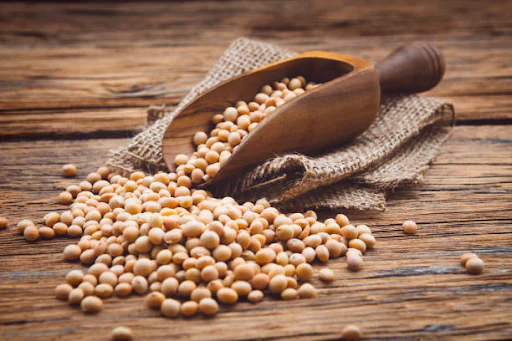
In recent years, plant‑based living and wellness have become major global trends as people increasingly seek healthier, environmentally conscious lifestyles. Within this movement, the term Insoya has started appearing across health blogs, nutrition forums, and eco‑lifestyle discussions. While it might seem unfamiliar at first, Insoya represents both a nutritional concept and a broader lifestyle philosophy rooted in soy‑based protein innovation and modern wellness values.
Whether you’re a vegan, flexitarian, fitness enthusiast, or simply curious about plant‑based alternatives, understanding Insoya can help you make better choices about nutrition, sustainability, and daily wellbeing. This comprehensive article explores what Insoya really means, its origins, its benefits, how it’s used, and why it’s becoming more relevant in 2025 and beyond.
What Is Insoya? Breaking Down the Concept
At its core, Insoya refers to a range of soy‑derived food products and plant‑based nutritional innovations that go beyond traditional soy foods like tofu or soy milk. Instead of simply referring to soy alone, the term Insoya is used to describe:
-
Next‑generation plant protein solutions
-
Nutritionally enhanced soy derivatives
-
Wellness‑oriented food, supplement, and lifestyle products
-
A broader cultural symbol of plant‑powered, sustainable living
In many contexts, Insoya is positioned as a modern interpretation or reinvention of soy nutrition, combining advanced food technology, improved digestibility, and holistic health benefits. It is associated with products that are high in protein, easy to digest, versatile, and often enriched with micronutrients.
This means that while traditional soy has been a nutritious food for centuries, Insoya takes it further by enhancing flavor, nutritional value, and convenience for today’s lifestyle needs.
The Origins and Evolution of Insoya
Soy beans have been a staple in many cultures, especially in East Asia, for thousands of years — used in foods like tofu, tempeh, miso, and soy milk. However, traditional soy products often come with limitations, such as:
-
Distinctive or “beany” flavors
-
Digestive discomfort for some consumers
-
Less nutrient bioavailability in certain forms
To address these issues, innovators in plant‑based food science blended ancient nutritional wisdom with modern food technology. The result is Insoya — a refined, technology‑enhanced version of soy protein and its derivatives designed to address both health and sustainability.
Through processes like advanced fermentation, enzyme treatment, and micronutrient enrichment, Insoya products aim to deliver a more digestible, nutrient‑rich, and consumer‑friendly plant protein solution.
Key Benefits of Insoya
Insoya is not just a catchy name — it stands for real nutritional and lifestyle advantages. Below are the most significant benefits associated with Insoya products and the Insoya approach to health:
1. High‑Quality Plant Protein
One of the biggest benefits of Insoya is its protein content. Soy is naturally rich in protein, and Insoya emphasizes this by offering products that deliver significant amounts of plant‑based protein.
Protein is essential for:
-
muscle growth and repair
-
immune function
-
hormone and enzyme production
-
energy and satiety regulation
For vegetarians, vegans, or anyone reducing animal protein intake, Insoya provides an effective plant protein solution that supports balanced nutrition.
2. Enhanced Digestibility and Nutrient Absorption
Unlike some traditional soy products, Insoya often undergoes processing techniques that improve digestibility. Techniques such as fermentation or enzymatic treatment reduce compounds like phytic acid that can interfere with nutrient absorption.
This makes Insoya easier on the digestive system for many people and helps ensure the body gets more benefit from the nutrients it provides.
3. Balanced Amino Acid Profile
Plant proteins sometimes lack one or more essential amino acids. However, soy protein — and therefore Insoya — delivers a complete amino acid profile. This makes it especially valuable for athletes, active individuals, and anyone concerned about meeting daily protein requirements from plants alone.
4. Heart and Metabolic Health Support
Plant‑based nutrition has been linked to lower cholesterol levels and improved cardiovascular health when compared to diets high in saturated fat from animal products. Including Insoya in your diet — as part of a balanced plant‑based approach — may contribute to these benefits.
5. Versatility and Daily Use
Insoya can be incorporated into a wide array of foods and meals, such as:
-
smoothies and shakes
-
baked goods
-
soups and sauces
-
protein snacks
-
meat alternatives like burgers and sausages
-
dairy substitutes like plant‑based milk or yogurt
This versatility makes it easy to integrate into everyday nutrition routines.
Types and Forms of Insoya Products
Insoya is not just one product — it’s a broad category encompassing various food, wellness, and lifestyle items influenced by soy‑derived nutrition. Some common forms include:
• Protein Powders and Supplements
Insoya protein powders are ideal for shakes, smoothies, and athletic nutrition. Their high protein content and balanced amino acids make them attractive for workouts and daily nutrition.
• Dairy Alternatives
Plant‑based milks, yogurts, and cheese substitutes featuring Insoya offer lactose‑free options with balanced nutrition, suitable for people with dairy sensitivity or ethical preferences.
• Meat Substitutes
Insoya protein can mimic the texture and satisfaction of meat in plant‑based burgers, nuggets, and sausages — helping reduce animal protein intake without sacrificing flavor or texture.
• Snacks and Functional Foods
From protein bars to fortified snacks, Insoya extends into products designed for on‑the‑go nutrition or targeted wellness goals.
Insoya and Wellness: More than Just Nutrition
While Insoya clearly has nutritional benefits, it also carries broader associations with wellness, lifestyle, and mindful eating.
Mindful Eating and Plant‑Forward Lifestyles
Insoya aligns with the growing global trend toward plant‑forward diets, veganism, flexitarian choices, and conscious nutrition practices. Many people today are interested in how food affects not just their bodies but also the environment.
With the rise of holistic wellness, Insoya supports mindful eating — focusing on foods that nourish the body, respect the planet, and fit into balanced, healthy routines.
Sustainability and Environmental Benefits
Plant‑based proteins such as Insoya contribute to lower environmental impacts compared to animal‑based proteins. Producing plant protein generally requires:
-
less land
-
less water
-
fewer greenhouse gas emissions
This makes Insoya not just a nutrition choice but a sustainability choice for eco‑aware consumers.
How to Use Insoya in Daily Life
Insoya’s versatility means it fits into many meals and routines. Here are practical ways to incorporate it:
• Breakfast Boost
Add Insoya protein powder to smoothies, oatmeal, or pancake batter.
• Snack Upgrade
Blend it into energy bars, protein balls, or breakfast bowls.
• Cooking and Baking
Use it in soups, stews, sauces, or baked goods to increase protein content without changing flavor much.
• Post‑Workout Nutrition
Shake it with your favorite plant milk or water for a quick protein recovery drink.
• Meat Alternatives
Replace or supplement meat with Insoya‑based burgers, sausages, or plant protein mixes.
These options help make healthy eating convenient, diverse, and aligned with modern dietary goals.
Who Should Consider Insoya?
While Insoya is generally safe and beneficial for many people, certain groups may benefit most from including it:
-
Vegans and vegetarians seeking complete plant protein sources
-
Active individuals and athletes wanting plant‑based muscle support
-
Health‑conscious eaters looking to reduce animal fats
-
Sustainable consumers prioritizing eco‑friendly nutrition
-
Busy lifestyles requiring convenient, nutrient‑dense meals
However, individuals with soy allergies should avoid it and consult health professionals before changing their diet.
Final Thoughts on Insoya
Insoya is much more than a simple soy derivative. It represents a modern approach to plant‑based nutrition, blending scientific innovation, enhanced digestibility, superior nutritional profile, and lifestyle relevance. Whether consumed as a functional food, integrated into meals, or chosen as part of a wellness‑oriented lifestyle, Insoya offers a compelling alternative for people seeking healthier, conscious, and sustainable nutrition options in 2025 and beyond.
As global interest in plant‑powered living continues to grow, Insoya may become one of the defining terms in modern nutrition — not just as a product concept, but as a symbol of holistic health and mindful living.
Frequently Asked Questions (FAQ)
1. What does Insoya mean?
Insoya generally refers to soy‑derived nutrition products and modern plant‑based innovations that focus on health and sustainability.
2. Is Insoya just soy?
Not exactly — it builds on soy’s legacy but often involves enhanced processing, improved digestibility, and added micronutrients.
3. Can everyone eat Insoya?
Most people can enjoy it, but those with soy allergies should avoid it and seek medical guidance.
4. Is Insoya good for weight management?
Its high protein and low fat content may support satiety and weight goals when combined with a balanced diet.
5. Where can I find Insoya products?
Insoya products are available in health food stores, online retailers, plant‑based markets, and wellness brands globally.