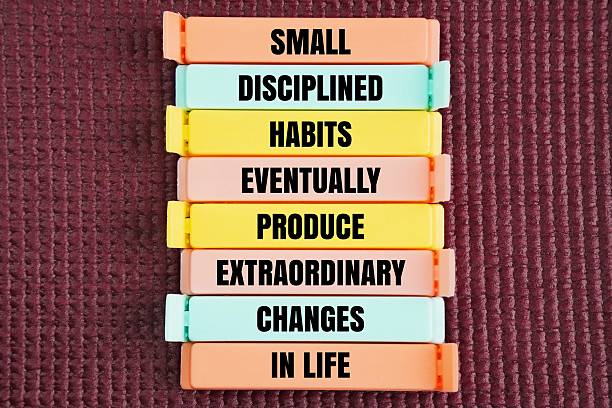
I used to think happiness comes from big dramatic decisions. Quitting a job. Moving to a new city. Deleting Instagram at 2 a.m. and feeling like a productivity guru for exactly three days. But honestly, it’s rarely the big stuff. It’s the tiny, almost boring habits that quietly shape your mood and life over years.
And I know this sounds like something from a self-help reel, but hear me out.
A tiny habit is something almost stupidly small. Making your bed. Drinking one glass of water after waking up. Writing two lines in a journal instead of a full page. Smiling at the security guard even when you don’t feel like it. These things feel too small to matter. But they do. And not in a magical overnight way.
Think of happiness like a savings account. If you deposit 10 rupees every day, you’ll laugh at it at first. What is 10 rupees even doing? But do that for years, and suddenly there’s something there. Same with habits. Small emotional deposits. Daily.
Why Your Brain Loves Small Wins
There’s something kind of sneaky about our brain. It loves completion. Even micro-completion. When you finish a small task, your brain releases a little dopamine. Not fireworks level, but enough to say, hey, good job.
I read somewhere that habits account for around 40 percent of our daily actions. Which basically means almost half your day runs on autopilot. That’s wild. If 40 percent of your life is habits, then even a tiny positive shift in that system can change your overall emotional baseline over time.
It’s like steering a ship by one degree. At first, nothing looks different. But after months, you’re in a completely different place.
I started this thing where I don’t check my phone for the first 20 minutes after waking up. Just 20 minutes. No heroic two-hour morning routine with green juice and cold showers. Just 20 minutes. And honestly, it changed my mornings more than any “life-changing” seminar ever did. I feel less rushed. Less… attacked by notifications. My day starts with me, not with random WhatsApp forwards.
Tiny Habits Reduce Decision Fatigue Without You Noticing
We don’t talk enough about how tired our brains are. Not physically tired. Decision tired. Every day you choose what to wear, what to eat, how to reply, whether to scroll or sleep. It’s exhausting.
When small positive habits become automatic, you remove dozens of micro-decisions. And that frees up mental space. And more mental space usually means less stress. Less stress means… you guessed it, more stable happiness.
It’s kind of like setting up automatic payments for your bills. You don’t feel rich, but you feel calm. Because something is handled.
For example, I decided that every evening after dinner, I go for a 10-minute walk. Not 10,000 steps. Not a marathon. Just 10 minutes. Some days I’m lazy and negotiate with myself like I’m a lawyer. But most days I go. That tiny walk became non-negotiable. And weirdly, it’s now my thinking time. My free therapy session without the invoice.
Over months, that 10-minute habit improved my sleep. Better sleep improved my mood. Better mood made me slightly less annoying to people around me. Which improved relationships. And relationships, if you read any happiness study, are basically the biggest predictor of long-term well-being.
See how one tiny habit caused a domino effect? I didn’t even plan that.
Social Media Makes Big Changes Look Sexy, But Small Ones Actually Work
If you scroll through social media, everyone is doing 75 Hard, waking up at 4 a.m., building six income streams, meditating for an hour. It makes tiny habits look lame.
But here’s the thing. Big dramatic changes often crash. I’ve tried going from zero gym to six days a week. Lasted maybe nine days. My body was sore, my ego was bruised, and then I ordered pizza to cope.
Tiny habits are almost too small to fail. That’s their secret weapon.
There’s also this lesser-known concept called “habit stacking.” You attach a tiny new habit to an existing one. After brushing your teeth, you do five squats. After pouring tea, you say one thing you’re grateful for. It sounds silly, I know. But because the trigger already exists, your brain doesn’t fight it much.
And over years, these micro-actions become part of your identity. Not just something you do, but who you are.
I used to think I’m “not a disciplined person.” Then I kept a simple habit of reading just two pages a night. Two pages. That’s it. A year later, I had finished more books than ever before. Suddenly, I started seeing myself as someone who reads. Identity shift. From two pages.
Tiny Habits Create Emotional Stability, Not Constant Excitement
Here’s something no one tells you. Long-term happiness isn’t constant excitement. It’s emotional stability. It’s not waking up feeling like you won the lottery. It’s waking up and feeling… okay. Grounded.
Tiny habits build that baseline.
Drinking enough water sounds boring. But dehydration actually impacts mood and focus more than we realize. Going to bed at roughly the same time stabilizes your circadian rhythm. Stable sleep equals stable mood. Stable mood equals fewer emotional rollercoasters.
It’s not glamorous. No one posts on Instagram, “Day 432 of consistent bedtime.” But your future self benefits.
Also, tiny social habits matter a lot. Sending one “just checking in” message to a friend every week. Complimenting someone once a day. Saying thank you properly instead of just typing “thx.” These micro social investments compound over time. Relationships don’t collapse suddenly. They fade slowly. Tiny habits prevent that fade.
I remember during a rough patch in my life, nothing huge fixed it. Not a motivational video. Not a weekend trip. What helped was simple structure. Wake up. Make bed. Walk. Work. Call one friend. Sleep. Repeat. It felt boring, almost mechanical. But it gave me stability when my emotions were messy.
And sometimes stability is happiness. Or at least the foundation of it.
So yeah, tiny habits look small. Almost laughable. But they quietly design your future. They are like background code running your life. You don’t see it, but it shapes everything.
If you’re waiting for one big moment to make you happy, you might wait forever. But if you adjust your daily 1 percent, slowly, imperfectly, even clumsily… you might look back in five years and think, oh. That’s when things started getting better. And it wasn’t dramatic at all.