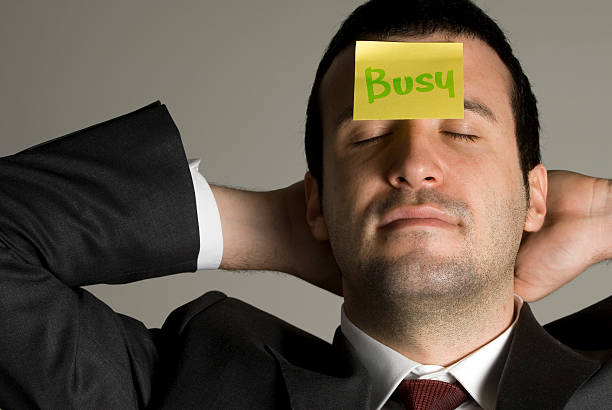
I used to think being busy automatically meant I was doing something right. My calendar was full, my phone never stopped buzzing, and by the end of the day I felt exhausted in that “wow I really worked hard” way. Funny thing is, when I looked back, nothing important actually moved forward. No big task finished, no real progress. Just… tired. Very tired.
That feeling is weirdly common now. You open Instagram or X and everyone’s either grinding, hustling, or joking about how they haven’t slept in three days. Being busy has almost become a personality trait. And if you’re not busy, people ask what’s wrong, like you’re wasting life or something.
Busy Feels Safe, Productive Feels Risky
Here’s something I realized a bit late. Being busy feels safe. Answering emails, jumping between WhatsApp messages, attending meetings that could’ve been a voice note… all of that gives instant feedback. You did something. You checked a box. Productivity, on the other hand, often means sitting quietly with one hard thing. No notifications. No applause. Just you and a task that might fail.
It’s like cleaning your room versus writing a difficult report. Cleaning gives visible results fast. Writing makes you question your intelligence after the first paragraph. So the brain naturally goes, yeah let’s clean again. Maybe reorganize the drawer. Again.
I read somewhere that the brain gets small dopamine hits from completing tiny tasks, even useless ones. I don’t remember the exact study, so don’t quote me in a thesis, but it makes sense. That’s why inbox zero feels amazing even if the inbox fills up again in an hour.
The Illusion of Progress
There’s also this illusion that movement equals progress. If you’re running around all day, replying instantly, switching tabs like a DJ, it looks impressive. Even to yourself. Especially to yourself. But movement without direction is just noise.
I once spent almost an entire week “working” on a project. Notes everywhere, Google Docs half-filled, watched three YouTube videos “for research”. End result? Nothing delivered. Meanwhile, a friend finished a similar project in two days by basically disappearing and doing the boring deep work. I hated him a little that week.
Social media doesn’t help. People rarely post about sitting quietly thinking. They post about packed schedules, coffee number five, late nights. It creates this pressure that if you’re not overwhelmed, you’re not doing enough. Which is kind of insane when you think about it.
Multitasking Is a Scam We All Fell For
I used to brag about multitasking. Laptop open, phone in hand, music playing, notifications popping. Felt like a productivity god. Turns out, that’s mostly fake. What you’re really doing is task-switching, and your brain pays a tax every time.
There’s this lesser-known stat floating around productivity blogs that context switching can eat up to 40 percent of your effective work time. Again, don’t ask me for the original source, but after watching myself work, I believe it. Every “just checking” turns into ten minutes gone. Multiply that by a day and suddenly you’re busy but confused why nothing is done.
It’s like trying to cook five dishes at once on one stove. Sure, you’re moving nonstop, but everything’s half-cooked and slightly burnt.
Being Available All the Time Is Not the Same as Being Useful
One thing nobody teaches you early on is that responsiveness and productivity are not the same job. Answering fast feels responsible. Being always available feels professional. But it can quietly kill any meaningful output.
I noticed this when I turned off notifications for just two hours a day. At first it felt illegal, like I was committing a workplace crime. But those two hours were the only time I actually produced something real. Not polished, not perfect, but real.
Yet online, being “always on” is praised. People joke about replying at 2 AM. Grind culture eats this stuff up. If you’re tired, you’re doing it right. Except burnout doesn’t look cool in real life. It looks like staring at a screen and feeling weirdly empty.
Confusing Effort With Impact
Another trap is measuring effort instead of impact. We say things like “I worked all day” instead of “I finished this specific thing.” Effort is emotional. Impact is factual. And facts are sometimes uncomfortable.
I’ve had days where I worked maybe three focused hours and achieved more than in a whole chaotic week. Those days didn’t feel impressive though. No drama. No stress story to tell. Just quiet progress. Which is not very Instagrammable.
The problem is, we reward visible struggle more than quiet results. Even in offices, the loud busy person often looks more valuable than the calm one who actually delivers.
So What Actually Helps, Even a Little
I’m not going to pretend I’ve solved this. I still fall into busy mode way too often. But a few things helped me notice when I’m just pretending to work.
If I can’t clearly say what I’m trying to finish today, I’m probably just being busy. If my day is full but my head feels scattered, same thing. And if I feel productive but slightly anxious at the same time, that’s usually a red flag.
Productivity, real productivity, often feels boring. Almost disappointingly calm. And that took me a long time to accept.