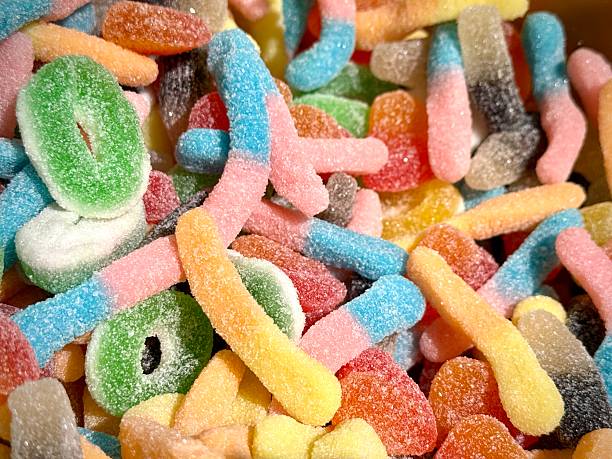
There’s this moment when you open a bag of chips and tell yourself, “Bas thoda sa.” And then suddenly the packet is empty and you’re staring at the shiny foil like it betrayed you. I’ve done that more times than I want to admit. And honestly, it’s not just about willpower. Certain flavors are engineered in a way that they kind of hijack your brain. Sounds dramatic, but it’s true.
The big villains — sugar, salt, and fat — are like that trio of friends who always push you into bad decisions. Together they activate the reward system in your brain. Dopamine gets released, and your brain goes, “Oh wow, this is amazing, let’s repeat this.” It’s almost similar to how social media notifications work. You get one like, small hit of dopamine. You want more. Same logic, just edible.
What’s crazy is that some food scientists actually design snacks to hit something called the “bliss point.” I read about this a while back and was kind of shocked. The bliss point is basically the perfect balance of sugar, salt, and fat that makes you want to keep eating without feeling full too quickly. It’s not accidental. It’s strategy. Like a marketing campaign, but for your taste buds.
Your Brain Loves Fast Energy, Even If Your Body Doesn’t
Back in the day, when humans were running around hunting and not sitting on office chairs all day, high-calorie foods were survival gold. If you found something sweet or fatty, that meant quick energy. So our brains evolved to prefer those flavors. The problem is… we never updated the software.
Now, instead of rare berries or occasional honey, we have ultra-processed desserts, neon-colored drinks, and fast food on every corner. Your brain still thinks it’s 10,000 years ago. It’s like using an old map in a completely new city. You end up in the wrong places.
I once tried quitting sugar for two weeks. Thought it would be easy. It was not. The first few days, I felt weirdly irritated. Almost like I was breaking up with someone toxic but familiar. That’s because sugar lights up similar neural pathways as addictive substances. Some small studies even suggest that in lab settings, rats preferred sugar over certain drugs. That fact alone made me pause mid-cookie one evening.
And let’s be honest, companies know this. There’s a reason you rarely see “mildly flavored” chips trending on Instagram. It’s always the extreme ones. Extra cheesy. Double chocolate. Spicy inferno. Online chatter always hypes the bold stuff. No one goes viral over “subtle oat biscuit.”
Texture, Smell, and That Sneaky Crunch
Flavor isn’t just taste. It’s texture, smell, sound. Ever noticed how satisfying a crunchy snack feels? That sound actually adds to the pleasure. There’s something about the crackle of a chip that feels rewarding. I read somewhere that louder crunch can make food feel fresher and more exciting. Our brains love sensory drama.
Soft, melty chocolate is another example. It literally melts at body temperature. That smooth texture sends comfort signals. It’s almost emotional. After a bad day, you don’t crave celery sticks. You crave something creamy or crunchy or salty-sweet.
And smell? That’s a whole different level. Smell is directly connected to memory. So if your childhood birthday parties had cake with thick frosting, your brain connects that smell with happiness. So next time you pass a bakery and feel weak, it’s not weakness. It’s nostalgia messing with you.
The Financial Side of Flavor Addiction
This part people don’t talk about enough. Addictive flavors aren’t just bad for your health. They can quietly mess with your wallet too. Small daily indulgences add up. It’s like those subscription services you forget to cancel. Five dollars here, ten there. Suddenly it’s a significant monthly cost.
I once calculated how much I was spending on fancy coffee and packaged snacks in a month. I almost wished I didn’t. It was enough to cover a small weekend trip. That realization hit harder than any diet advice ever did.
Food companies often price these hyper-palatable items just low enough to feel affordable. You don’t think twice about it. But over a year? It’s real money. And ironically, healthier whole foods sometimes look expensive upfront, even if they’re better value long term. It’s kind of like buying cheap shoes that wear out fast versus investing in one solid pair.
Online Trends Make It Worse
TikTok and Instagram don’t help, honestly. Every week there’s a new “must-try” dessert or viral snack hack. The more extreme, the better. Triple-layer brownies stuffed with cookies and drizzled with caramel. It looks amazing on screen. And suddenly you’re craving something you didn’t even know existed five minutes ago.
There’s this social validation around indulgence too. Comments like “I would destroy this” or “Worth the calories.” It normalizes overconsumption in a funny way. I’m not judging, I laugh at those videos too. But it subtly shapes our perception of what’s normal.
So Are We Powerless? Not Exactly
Here’s the part where I try to sound wise, but I’m still figuring it out myself. Awareness helps. When you understand that certain flavors are literally designed to keep you hooked, you can pause. Not always. But sometimes.
I started doing this small thing where I ask myself, “Do I actually want this, or is my brain just bored?” Sometimes it’s real hunger. Sometimes it’s stress. And sometimes it’s just habit.
Also, when you reduce super intense flavors for a while, your taste buds adjust. I didn’t believe this before. But after cutting back on sugar, fruits started tasting way sweeter. Like almost too sweet. That shift was weird but kind of cool.
At the end of the day, certain flavors feel addictive because they tap into deep biological wiring, emotional memory, clever marketing, and sensory design all at once. It’s not just about lack of discipline. It’s a mix of science and strategy.
And yeah, I’ll probably still eat chips sometimes. I’m human. But at least now, when the packet is empty, I know it wasn’t just me being “weak.” It was chemistry doing its drama again.
Meta description: Certain flavors feel addictive because they activate brain reward systems, tap into emotional memories, and are carefully engineered for the “bliss point.” Here’s a real, human take on why unhealthy foods are so hard to resist.