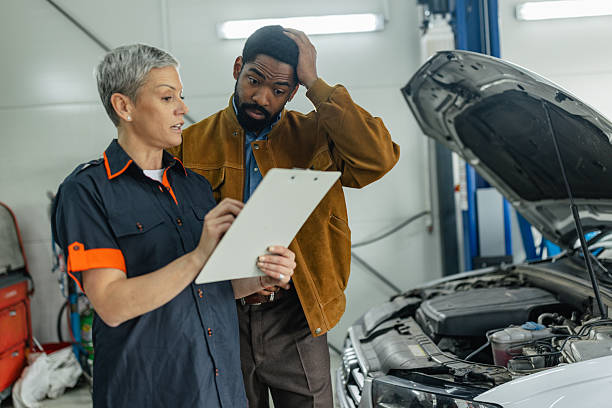
I still remember the first time a mechanic looked at my car, sighed a little too deeply, and said, “Sir… this one will be expensive.” Not might. Not could. Just… will. That was the day I truly understood that buying a car and maintaining a car are two very different financial relationships. One is like dating. The other is marriage with surprise expenses.
Some cars just bleed money slowly. Others stab your bank account out of nowhere. And no, it’s not always about luxury or brand names, even though people on Twitter love to shout “German cars are money pits” every chance they get.
It’s Not Just the Price Tag, It’s the Personality
Here’s the thing nobody tells you at the showroom. Two cars can cost the same upfront and still live completely different financial lives afterward. One will be low-maintenance, oil changes, filters, move on with life. The other will act like it needs emotional support every six months.
A lot of it comes down to how complex the car is. More tech means more things that can break. Fancy suspension systems, advanced infotainment, adaptive everything… they’re cool until a warning light pops up and Google tells you the repair costs more than your monthly rent. I once joked that my dashboard had more lights than a Diwali celebration. Not funny at the service center though.
Older-school cars with simpler engines usually survive longer with fewer tantrums. Less sensors, less drama. Like that one friend who still uses a basic phone and somehow never has problems.
Parts Availability Is a Silent Killer
This part is boring but important, and most people ignore it. If your car uses parts that are hard to find or imported, congratulations, you’ve signed up for waiting time and premium pricing. Even small things like brake pads can turn into a week-long saga.
In India especially, cars that share parts with popular models tend to be cheaper to maintain. Mechanics know them. Parts are everywhere. You don’t need to explain what engine you have like you’re giving a TED Talk.
Cars with low sales numbers suffer here. On forums and Reddit threads, you’ll often see owners saying “Amazing car, but parts take forever.” Translation: great to drive, terrible to own long-term.
Labor Costs Matter More Than You Think
This one surprised me early on. Sometimes the part itself isn’t expensive, but getting to it is. Some engines are packed so tight that changing a small component requires half the engine bay to be dismantled. More labor hours equals bigger bills.
Luxury and performance cars are famous for this. Not because engineers are evil, but because performance demands space efficiency. Unfortunately, your mechanic’s time is not free, and he charges by the hour, not by sympathy.
I once paid more for labor than the actual replacement part. I laughed when I saw the bill. Then I stopped laughing.
Driving Habits Quietly Decide Your Fate
This is where people get defensive, myself included. How you drive matters. Aggressive driving wears things faster. Hard braking eats brake pads. City traffic destroys clutches. Short trips don’t let engines warm up properly.
There’s a stat floating around automotive forums that city-driven cars can see up to 30 percent faster wear on certain components compared to highway-driven ones. I don’t know the exact study, but based on my experience stuck in bumper-to-bumper traffic, it feels very real.
Basically, your car remembers how you treat it. It just sends the reminder in invoice form.
Brand Reputation Is Often Earned, Not Random
Some brands genuinely engineer for long-term durability. Others focus on performance, comfort, or innovation first, and maintenance later. That doesn’t make them bad cars. It just makes them expensive friends.
Social media is full of people arguing about reliability rankings. Someone always says “My car has done 200,000 km with no issues.” Another replies “Mine broke down in 20,000.” Both can be true. Manufacturing consistency plays a role, but so does usage and maintenance discipline.
Skipping services to save money is like skipping dentist visits. It feels smart until it’s very not.
Maintenance Culture Is a Big Deal
Cars from markets where preventive maintenance is taken seriously often last longer. Regular fluid changes, timely part replacements, using the right oil instead of “whatever is available” — it all adds up.
I learned this the hard way by delaying a small suspension noise. Three months later, the noise turned into a bill that physically hurt to read. Small problems don’t stay small in cars. They grow, like unpaid credit card interest.
So Yeah, Some Cars Are Just Expensive Roommates
At the end of the day, some cars cost more to maintain because they are complex, parts are rare, labor is high, or they demand more attention. Others are forgiving. They tolerate abuse, missed services, and questionable fuel choices like saints.
Before buying a car, people obsess over mileage and resale value. Maintenance costs deserve the same attention. Because nothing ruins the joy of driving faster than a repair estimate that starts with “Sir, actually…”
If you already own one of the high-maintenance types, don’t panic. Just be realistic. Budget for it. Accept it. And maybe stop pretending that warning light will magically disappear on its own. It won’t. I tried.