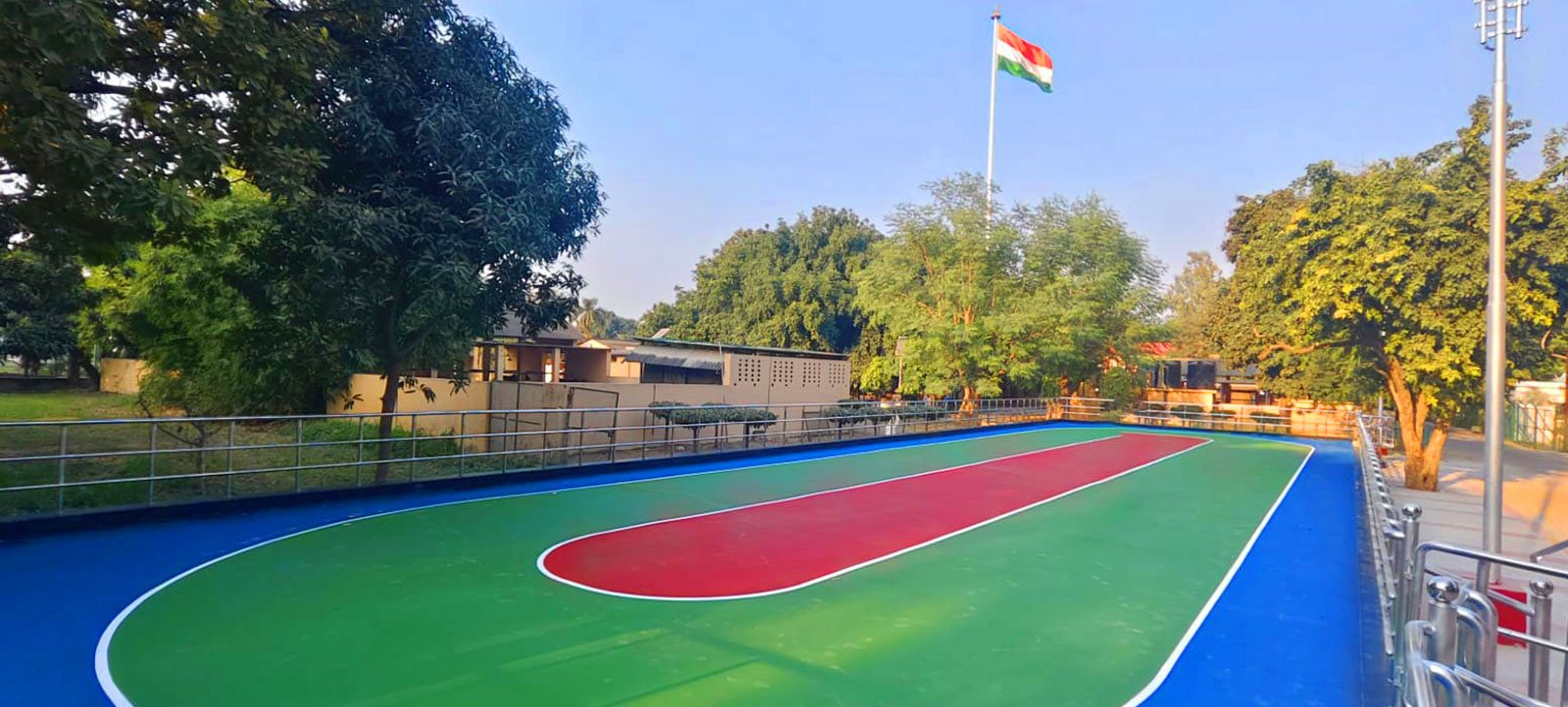
The future of sports is no longer being built with just concrete, steel, and turf. It is being engineered through data pipelines, artificial intelligence, and connected systems that transform stadiums into intelligent ecosystems.
What we are witnessing today is not just the evolution of sports infrastructure—it is the birth of smart sports ecosystems, where physical assets and digital intelligence operate as one unified system.
From Static Venues to Intelligent Systems
Traditionally, sports infrastructure was designed around capacity, durability, and aesthetics. Stadiums were built to host events, not to think, adapt, or respond.
That paradigm is shifting.
Modern venues are now equipped with:
- Sensor-based monitoring systems
- AI-driven crowd management
- Real-time performance analytics
- Integrated communication networks
This transformation is turning stadiums into living, responsive environments capable of optimizing both athlete performance and fan experience.
The Convergence of Infrastructure and Technology
The defining feature of next-generation sports infrastructure is convergence.
1. Data Embedded in Design
Infrastructure is no longer passive. From the moment a stadium is conceptualized, data integration is part of the blueprint.
- Smart turf systems track player movement and load
- Environmental sensors monitor weather, humidity, and surface conditions
- Structural analytics predict maintenance needs before failures occur
This results in predictive infrastructure, reducing costs while improving safety and performance.
2. AI-Powered Operations
Artificial Intelligence is becoming the operational brain of sports venues.
Key applications include:
- Crowd flow optimization during high-attendance events
- Dynamic ticket pricing based on demand patterns
- Security surveillance with real-time threat detection
AI doesn’t just improve efficiency—it redefines how venues are managed at scale.
3. The Rise of Connected Stadiums
Connectivity is the backbone of smart infrastructure.
With the deployment of 5G and high-speed networks, stadiums are evolving into fully connected digital environments where:
- Fans access multi-angle live streaming inside venues
- Real-time stats are delivered instantly to mobile devices
- Cashless and contactless transactions become standard
The result is a seamless blend of physical and digital engagement.
Athlete-Centric Infrastructure
One of the most significant shifts in sports tech is the move toward athlete-first infrastructure design.
Smart Training Facilities
Modern training centers now include:
- Motion capture labs
- Biomechanical analysis systems
- AI-assisted coaching platforms
These tools provide athletes with granular insights into their performance, enabling precision training.
Injury Prevention Through Technology
Injury management is no longer reactive—it is predictive.
Wearable devices and embedded sensors track:
- Fatigue levels
- Muscle stress
- Recovery patterns
This data allows teams to intervene before injuries occur, extending athlete careers and improving consistency.
Fan Experience: The New Battleground
In today’s sports economy, fan engagement is as important as on-field performance.
Immersive Viewing Experiences
Technologies like Augmented Reality (AR) and Virtual Reality (VR) are redefining how fans interact with sports:
- Virtual stadium tours
- AR overlays during live matches
- Personalized content feeds
Fans are no longer spectators—they are participants in a digitally enhanced experience.
Data-Driven Personalization
Modern platforms analyze fan behavior to deliver:
- Customized content recommendations
- Targeted promotions
- Interactive engagement features
This level of personalization is transforming fan loyalty into long-term digital relationships.
India’s Smart Sports Infrastructure Moment
India stands at a critical juncture in its sports infrastructure journey.
Recent developments show a clear shift toward:
- Large-scale stadium modernization projects
- Integration of smart technologies in new facilities
- Increased private and government investment
The country’s ambitions—whether it’s hosting global events or building grassroots ecosystems—depend heavily on technology-led infrastructure development.
Economic Impact: Infrastructure as an Asset Class
Sports infrastructure is no longer just an expense—it is emerging as a strategic asset class.
Revenue Opportunities
Smart venues unlock multiple revenue streams:
- Digital advertising and sponsorships
- Premium fan experiences
- Data monetization
Long-Term Value Creation
Well-designed sports infrastructure drives:
- Urban development
- Tourism growth
- Job creation
This positions sports infrastructure as a key driver of economic expansion.
Challenges in Building Smart Sports Ecosystems
Despite its potential, the transition to intelligent infrastructure is not without challenges:
High Capital Investment
Advanced technologies require significant upfront costs.
Data Privacy & Security
Handling large volumes of user and athlete data raises ethical concerns.
Skill Gaps
Managing smart systems requires a workforce skilled in both sports and technology.
Integration Complexity
Combining legacy systems with new technologies can be operationally challenging.
The Road Ahead: What Comes Next?
The next decade will define the future of sports infrastructure.
Digital Twin Stadiums
Virtual replicas of stadiums for simulation and optimization.
Autonomous Venue Management
AI systems managing operations with minimal human intervention.
Sustainable Smart Infrastructure
Green stadiums powered by renewable energy and efficient resource management.
Hyper-Connected Global Events
Seamless digital integration across venues, cities, and fan ecosystems worldwide.
Conclusion
The line between infrastructure and intelligence is disappearing.
Sports venues are no longer just physical spaces—they are becoming dynamic, data-driven ecosystems that influence performance, business, and culture.
For platforms like Sportscape Magazine, this shift represents more than a trend. It is a defining narrative of the modern sports industry—one where innovation, investment, and infrastructure converge to shape the future of sport.