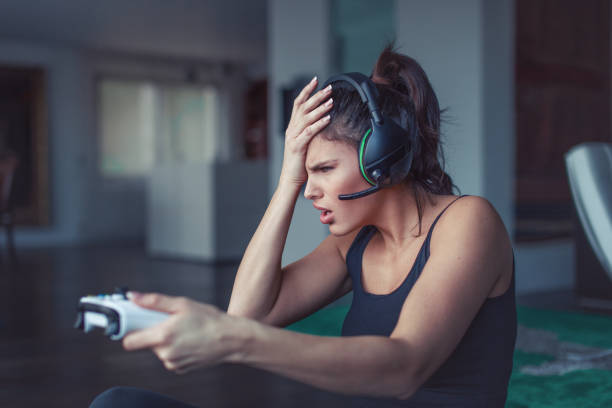
I’ve rage-quit games before. Like real rage. Laptop half-closed, chair pushed back, that dramatic sigh where you stare at the wall like it personally betrayed you. And then… ten minutes later, I’m back. “Just one more round,” I tell myself, like a liar with confidence. This is the weird part of gaming nobody really warns you about. Some games don’t even feel fun in the normal sense, yet you can’t stop touching them. They stress you out, make you question your intelligence, and somehow still own your free time.
The Annoying Magic of Almost Winning
One thing I’ve noticed, and people on Reddit keep screaming about this too, is that most of these frustrating games never let you totally fail or totally win. You’re always almost there. Almost cleared the level. Almost beat that boss. Almost ranked up. That “almost” is dangerous. It’s like being at a slot machine and missing the jackpot by one symbol. Your brain doesn’t see failure, it sees potential.
Financially, it’s kind of like staying in a bad stock because you’re only down 5 percent. You tell yourself it’ll bounce back. You don’t want to sell because that would make the loss “real.” Games use the same logic. You’re invested already. Time invested feels like money invested, even though it’s not the same thing, but your brain treats it like it is. I think that’s called sunk cost fallacy, but honestly I learned that from Twitter threads, not textbooks.
Difficulty That Feels Personal
Some games feel like they are actively mocking you. Enemies dodge at the last second. Controls suddenly feel off. Timing windows shrink for no reason. And instead of quitting, you feel challenged. Offended, even. Like the game just questioned your skills publicly.
There’s a weird ego thing happening. You’re not playing to have fun anymore, you’re playing to prove something. I’ve seen TikTok comments where people say stuff like “this game humbled me” or “I refuse to let this beat me.” That’s not entertainment talk, that’s pride talk. Once pride enters, quitting feels like losing an argument.
Random Rewards and Fake Hope
Here’s a lesser-known thing I read somewhere and then noticed everywhere. Games that frustrate you often mix skill with randomness. You play well, but the reward still isn’t guaranteed. Loot drops, rare items, critical hits. It’s unpredictable. Your brain loves unpredictable rewards more than guaranteed ones. Same reason people refresh Instagram even when nothing new is there.
I once played a game for three hours trying to get a specific item. I didn’t even enjoy those hours. I was tired, slightly annoyed, hungry. But when it finally dropped, the joy was stupidly intense. Like, way bigger than it deserved to be. That’s the trap. The pain makes the reward feel bigger, even if it’s just pixels.
Social Pressure and Online Noise
Another thing nobody admits enough. Other people. Friends flexing their ranks. Streamers making impossible gameplay look easy. Comment sections full of “git gud” energy. You don’t want to be the weak one who quit.
I’ve seen people on Discord stay up till 3 a.m. grinding games they clearly hate, just because their friends are ahead. It’s like peer pressure, but digital and somehow worse. Nobody is forcing you, yet you feel forced anyway.
Also, let’s be honest, complaining about a frustrating game is part of the fun now. Posting rants, memes, angry clips. The frustration becomes social currency. If a game is too easy, nobody talks about it. If it’s brutal, suddenly everyone has opinions.
Tiny Wins That Keep You Hooked
Even the most frustrating games sprinkle tiny wins everywhere. A small upgrade. A new skin. A slightly higher score. These are like micro-paychecks. Not enough to make you rich, but enough to keep you coming back to work.
It reminds me of freelancing when you get paid small amounts frequently instead of one big salary. You keep checking your account. Games do the same thing emotionally. You’re not satisfied, but you’re not empty either. You’re stuck in between.
When Frustration Turns Into Comfort
This sounds weird, but sometimes the frustration itself becomes familiar. You know the pain. You expect it. There’s comfort in that. Life outside the game is unpredictable in scary ways. Inside the game, the frustration follows rules. Hard rules, annoying rules, but still rules.
I’ve played certain games during stressful times just because they gave my anger a place to go. Better to be mad at a boss fight than real life stuff. I’m not saying it’s healthy, just… understandable.
So Why Can’t We Stop?
Because these games aren’t designed to make you happy. They’re designed to keep you engaged. There’s a difference, and once you notice it, you can’t unsee it. Frustration, hope, pride, randomness, social pressure. Mix them well and you get a game you complain about but never uninstall.
I still fall for it, by the way. Even knowing all this. Especially knowing all this. Human brains are weird like that.